 ro
ro
 en
en
 de
de


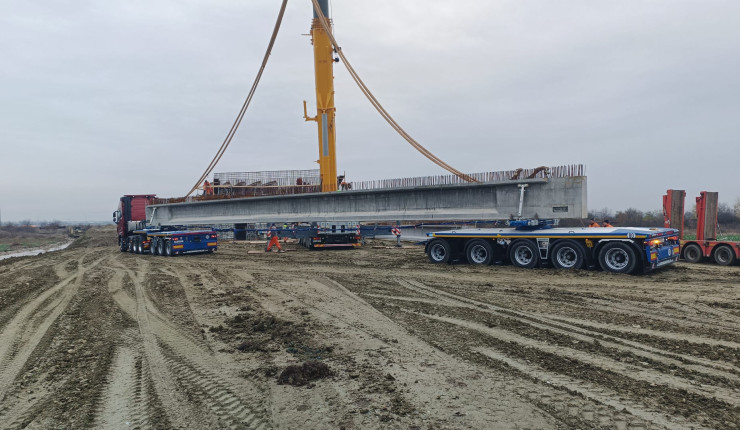
The challenges of transporting oversized cargo that freight forwarding companies face
Transporting bulky goods presents a diverse set of challenges that require comprehensive planning. These challenges include the risk of damage in transit, regulatory and compliance issues, pricing complications and the need for customized logistics solutions.
Damage in transit
The irregular dimensions and weight of oversized goods make them susceptible to damage during loading, unloading and transit. In particular, delicate machinery can suffer structural or internal damage if not handled properly.
To reduce these risks, shipping companies use a variety of risk management strategies. For example, they can carry out thorough inspections of cargo before and after transport. Here, they can use advanced technologies such as ultrasound or thermal imaging to detect any hidden defects or damage. In addition, to protect the integrity of the goods, they could invest in specialized packaging solutions, such as impact-resistant boxes or vibration-damping materials. Finally, ground shipping companies often conduct cargo load tests to identify potential stability or security issues. This includes subjecting oversized items to simulated shipping conditions such as vibration, tilting and exposure to various weather scenarios.
Regulatory and compliance issues
Navigating the regulatory landscape is another significant challenge. Large goods often require special permits, including oversized or overweight vehicle permits for delivery to different areas. In addition, there are strict safety standards for loading and unloading oversized cargo that ground shipping companies must adhere to. These include guidelines for proper use of the loading ramp and special platforms to maintain stability. Goods must be secured with locks, straps and brackets on these structures to prevent any movement that could lead to accidents. Another important aspect is the angle of the ramp, regulated to provide a gradual incline and reduce the risk of the goods slipping or tipping over. Alignment with the load is also meticulously checked for a smooth transition. And to ensure the stability of the transport vehicle, ground shipping companies are responsible for positioning the goods on the loading surface of the vehicle in such a way as to maintain balance during transport and comply with the center of gravity requirements.
Price complications
Transporting bulky goods is inherently more expensive due to specialized handling and equipment, including custom-built loading ramps and consolidated storage facilities for large industrial machinery. These calculations include higher fuel consumption due to cargo weight and dimensions, special route clearances and ground transportation escort services.
Customized solutions
The uniqueness of oversized cargo shipments requires customized logistics solutions and detailed coordination. For example, when transporting a large aircraft engine, shipping companies may need to design a special support to ensure the stability of the engine during transport. Transporting large marine equipment, such as underwater cables, also requires customized solutions. In such cases, shippers could develop specialized winding mechanisms so that these cables are safely loaded and unloaded. And in cases like shipping oversized art installations, shippers could work with engineers to build custom protective cases. These cases not only accommodate irregular sizes, but also include environmental controls such as temperature and humidity regulation to preserve sensitive artwork.


